What to Know About Emergency Stain Removal for Hampstead Carpets
Spilled red wine at dinner. Mud from a rainy Hampstead walk. Coffee tipped during a rushed morning. Carpet stains have a talent for arriving at exactly the wrong time. And once they hit the fibres, the clock starts ticking. That is why What to know about emergency stain removal for Hampstead carpets matters so much: the first few minutes often decide whether a mark lifts cleanly or settles in for the long haul.
If you live in Hampstead, you will know that carpets do a lot of work. Period homes, busy family flats, rental properties, office receptions, and stairways all pick up marks in different ways. Some stains are simple surface spills. Others soak down quickly, spread under pressure, or react badly to the wrong cleaner. This guide explains what to do, what not to do, when to call for help, and how to protect the carpet you have already invested in.
To keep things practical, we will focus on fast action, sensible methods, and the kind of judgement that saves a carpet from unnecessary damage. Nothing theatrical. Just the stuff that actually helps.
Why Emergency Stain Removal Matters
Emergency stain removal is not just about making a carpet look tidy again. It is about stopping a spill from becoming a permanent problem. The longer a stain sits, the more it can bind to the fibres, move into the underlay, or react with dyes and finishes. That is especially true on wool carpets, loop pile carpets, and older fitted carpets where the construction can be more sensitive than people expect.
In a place like Hampstead, carpets are often part of characterful homes with natural materials, layered finishes, and a fair bit of foot traffic. That makes fast response more valuable, not less. A small tea spill on a hallway runner may look harmless at 9 a.m., but by lunchtime it can be edged with a dark ring. You know the one. The sort of ring that seems to grow while you are trying not to stare at it.
Emergency action also matters because some stains are not really "stains" at first. They are residues. Oils, tannins, sugars, protein-based spills, and pigments all behave differently. If you treat them all the same, you can end up setting the mark or spreading it wider. That is why careful identification comes before heavy-handed cleaning.
If the carpet is part of a rental, managed property, or shared building, quick stain treatment can also help avoid avoidable repair costs and tension later. In those situations, many people prefer to pair immediate spot treatment with a deeper visit from a professional team such as carpet cleaning specialists or a broader deep cleaning service when the spill has already travelled further than it should.
How Emergency Stain Removal Works
The basic idea is simple: remove as much of the spill as possible without damaging the fibres, then neutralise what remains using the right method for that specific stain. The challenge, of course, is that carpets are not all built the same way. Fibre type, pile depth, backing, age, and previous cleaning history all change the process.
A sensible emergency stain removal process usually follows four stages:
- Contain the spill so it does not spread.
- Absorb excess liquid or lift loose residue.
- Treat the stain with the right approach for the contaminant.
- Rinse and dry so nothing sticky or discoloured remains.
That sounds neat on paper. Real life is messier. A glass of juice on a pale carpet behaves differently from wet paint, pet urine, candle wax, or a sauce spill. Even the surrounding room matters. A warm room can dry a stain quickly, which may help or hinder depending on what you are dealing with. A cool, damp room in a Hampstead basement flat? Different story entirely.
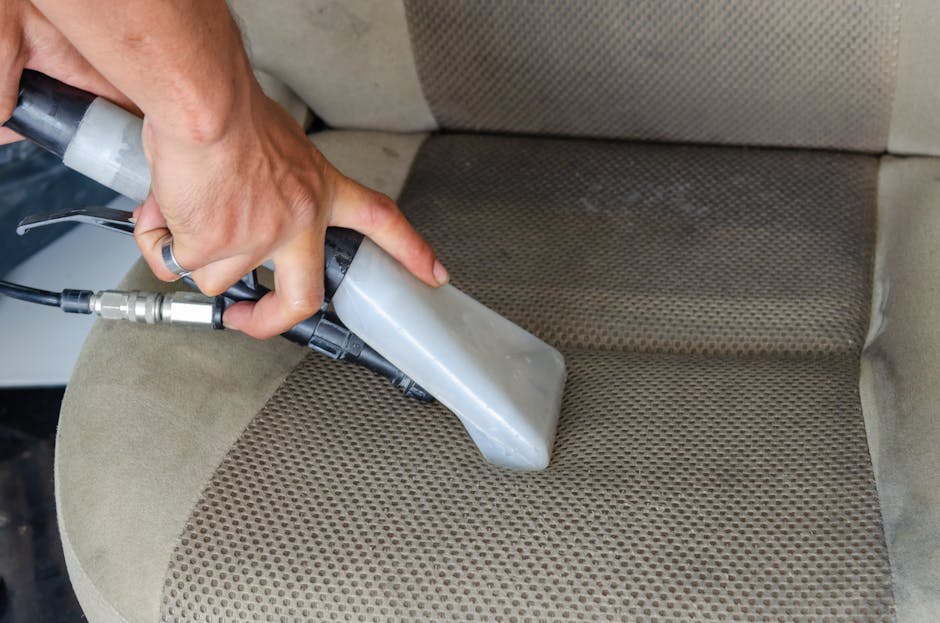
Professionals will often test a hidden part of the carpet first, especially where there is any risk of dye transfer. They may use controlled amounts of specialist spot treatment, then extract the soil with hot water or steam depending on the carpet and stain type. For delicate or mixed-fibre carpets, a targeted approach is usually better than a blanket spray-and-pray method. Let's face it, the spray-and-pray method is how many people end up with a bigger problem.
For pet accidents, odours and stains often need combined treatment. A surface wipe may make things look better, but it will not fully address the smell. That is when a dedicated option such as pet stain odour removal can be more suitable than generic cleaning.
Key Benefits and Practical Advantages
Fast, correct stain removal does more than improve appearance. The benefits are practical, financial, and, honestly, a bit emotional too. Nobody enjoys walking past the same mark three times a day and wondering if it is getting worse.
- Protects carpet fibres: less friction, less harsh chemistry, less wear.
- Reduces staining depth: acting quickly can stop spills from soaking into the backing.
- Helps prevent odours: especially with food, drink, or pet-related accidents.
- Preserves the carpet's finish: important on natural wool and quality fitted carpets.
- Supports property presentation: useful for homes, rentals, guest lets, and offices.
- Can reduce replacement pressure: a good stain response may save a carpet from being written off too soon.
There is also a timing advantage. If you deal with the spill immediately, the professional cleaning stage later is often easier and more effective. That matters if you are preparing for a move, a tenancy check-out, or a busy period in a business property. A quick response paired with a later one-off cleaning visit can keep the whole place looking calmer and better cared for.
And in commercial environments, first impressions are everything. One coffee spill on a meeting-room carpet may not sound dramatic, but in a reception area it can quietly undermine the impression of the whole space. Small thing. Big effect.
Who This Is For and When It Makes Sense
Emergency stain removal is relevant for almost anyone with carpeted floors, but a few groups feel the pressure more often than others.
- Homeowners and renters: especially in family homes, flats, and shared houses.
- Landlords and letting agents: where stains affect handover condition and presentation.
- Airbnb and short-let hosts: because turnover is fast and guest expectations are high.
- Offices and commercial premises: where spill response needs to be quick and discreet.
- Pet owners: because accidents are a normal part of life, not a sign of failure.
- Anyone with delicate carpet fibres: wool, blended fibres, or older fitted carpets need more care.
If you are already planning a broader refresh, emergency stain work can sit alongside regular maintenance rather than replacing it. For example, a family that keeps on top of everyday use might only need occasional help from regular cleaning, while a property with a sudden spill may need a focused stain response followed by a wider carpet clean.
It also makes sense when the stain is clearly beyond household basics. If you have already blotted it, rinsed lightly, and the mark still shows, a more careful treatment is better than repeated experiments. By that point, the risk shifts from "can I clean this?" to "can I clean this without making it worse?"
Step-by-Step Guidance
Here is the practical version. No drama, just the right sequence.
- Act quickly, but do not rush blindly. The first move is to stop the spill spreading. Move cups, plates, pets, or anything else that adds pressure.
- Blot, never scrub. Use a clean white cloth or plain paper towel and press gently. Blot from the outside of the stain inward so it does not crawl outward like a tide mark.
- Lift solids carefully. If the spill includes food or thick residue, scoop it up with a spoon or blunt edge before any liquid treatment.
- Use a small amount of cool water if suitable. For many water-based spills, a light dampening can help. Too much water is not helpful. In fact, it can push the stain deeper.
- Apply the correct stain approach. Different marks need different handling. Tannin stains, protein stains, oil-based stains, and dye transfer all behave differently.
- Keep checking the cloth. If colour is transferring, stop and reassess. That is a clue, not a triumph.
- Rinse gently. Remove leftover cleaning solution if you have used one. Residue can attract dirt later.
- Dry properly. Pat dry and improve airflow. Open a window if practical, use ventilation, and avoid walking over the damp area.
- Escalate if needed. If the stain remains visible, has odour, or affects a delicate carpet, book specialist help rather than continuing to experiment.
A small but useful rule: if you cannot identify the stain, avoid harsh products until you do. Unknown spills are where people often cause accidental bleaching or fibre damage. Better to pause than to guess.
Expert Tips for Better Results
In practice, the best stain removal is often about restraint. The most common mistake is assuming that more product means more cleaning. It usually means more residue, and sometimes more trouble.
- Use white cloths only. Coloured fabric can transfer dye, which is a bit embarrassing and very avoidable.
- Test in a hidden spot first. Even gentle solutions can affect carpet dye or texture.
- Work slowly around the edges. Edges tell you whether the stain is spreading or lifting.
- Handle heat carefully. Hot water helps some stains and sets others. Know which is which.
- Watch for wicking. That is when a stain reappears as the carpet dries because residue rises from below. Annoying, but common.
- Use minimal moisture on wool. Natural fibres need a lighter touch.
- Get odour and stain treatment together. Smell and appearance often come from the same source.
If the property is a rental, guest let, or a home with a lot of visitors, it can be smart to combine emergency treatment with a broader maintenance plan. For example, a follow-up from end of tenancy cleaning or Airbnb cleaning can help restore the whole room, not just the obvious mark.
One more thing: if the carpet is near an entryway, spilled grime often comes with grit. Grit behaves like sandpaper. So even if the stain itself is tiny, the surrounding fibres may already be rubbed rough. That is where a thoughtful, low-pressure clean matters.
Common Mistakes to Avoid
Most failed stain removals are not caused by the stain itself. They are caused by the response to it. A few habits show up again and again.
- Scrubbing hard: this distorts pile and pushes the stain wider.
- Using too much liquid: more water can mean more spread, more drying time, and more wick-back.
- Mixing products: combining chemicals without knowing the reaction is risky.
- Applying bleach-based products casually: these can lighten or damage the carpet colour.
- Ignoring the backing and underlay: a surface that looks better may still smell or re-stain later.
- Using heat on the wrong stain: protein stains, for example, can set under heat.
- Waiting too long: even a "small" delay can make the difference between spot treatment and deeper restoration.
There is also the overconfidence problem. You clean one coffee spill successfully, so the next day you try the same trick on curry, lipstick, or pet urine. That is how carpets end up with mystery halos. The carpet does not care that the last one went well.
If you suspect the stain is linked to something beyond a simple spill, such as pet contamination or repeated marking in one area, it is usually better to look at a targeted service rather than another round of DIY trial and error. For example, a dedicated pet stain odour removal approach is often more sensible than trying to mask the smell with fresh product.
Tools, Resources and Recommendations
You do not need a cupboard full of products to deal with most emergencies. In fact, having too many cleaners can make decision-making worse. A small, sensible kit is better.
- White microfibre cloths or plain white towels
- Paper towels for initial absorption
- A spoon or blunt edge for lifting solids
- A small bowl of cool water
- A gentle, carpet-safe spot cleaner if you already know the stain type
- Gloves if the spill is unpleasant or unsanitary
- Fans or good ventilation for drying
For more involved jobs, professional-grade equipment can make a real difference. Hot water extraction, controlled steam, and specialist stain treatments are useful when the spill has reached deeper layers or when the carpet has already been treated badly once. If you need a more comprehensive refresh after the emergency has been stabilised, steam carpet cleaning can be a sensible follow-up for many fitted carpets, while rug cleaning is often the better route for removable pieces.
It can also help to understand related services. Upholstered furniture, stairs, and adjacent areas often pick up splashes during a spill event, especially in busy homes. In those cases, upholstery cleaning or even sofa cleaning may need to be part of the recovery plan. That is not overkill. That is just practical.
If you are trying to compare how serious a mark is, think in terms of four questions: What caused it? How deep did it go? Has it dried? Does it smell? Those answers are usually enough to decide whether a spot treatment, a broader clean, or professional intervention is the safest move.
Law, Compliance, Standards, or Best Practice
For most households, emergency stain removal is not a legal issue. Still, there are sensible standards and responsibilities worth respecting, especially in shared buildings, rentals, and business premises.
Good practice in the UK generally means using cleaning methods that are safe for people, suitable for the material, and handled with care around slip risks, ventilation, and chemical storage. In practical terms, that means keeping products away from children and pets, reading labels, and not mixing chemicals unless you are absolutely sure it is safe. That last one deserves a quiet underline.
If you manage a let, office, or communal area, a prompt and documented response to spills helps maintain reasonable standards of upkeep. It also supports a cleaner handover if the property is inspected later. Where hygiene, safety, or access is a concern, it is sensible to choose services with clear processes and appropriate cover. For peace of mind, some clients like to review pages such as health and safety policy and insurance and safety before booking any work.
If you are comparing service providers, a transparent approach to pricing, payment, and terms also matters. Not glamorous, no, but useful. You can check pricing and quotes, payment and security, and terms and conditions so expectations are clear from the start.
And if something goes wrong with a service, a proper complaints procedure matters. It shows there is a route for resolving issues instead of leaving you stuck with a problem and nowhere to turn.
Options, Methods, or Comparison Table
Different stains need different responses. Here is a simple comparison to help you judge the right level of action.
| Method | Best for | Strengths | Watch-outs |
|---|---|---|---|
| Immediate blotting | Fresh water-based spills | Fast, low-risk, often effective early on | Not enough for set stains or oily marks |
| Light spot treatment | Small localised marks | Useful when stain type is known | Overuse can leave residue |
| Professional stain removal | Set stains, odours, delicate fibres | More controlled, better for tricky or repeated issues | Cost and scheduling need planning |
| Steam extraction | General carpet refresh after spot treatment | Helps remove deeper soil and leftover residue | Not ideal for every fibre or every stain |
| Specialist odour treatment | Pet accidents, organic spills | Targets smell as well as appearance | May need repeat treatment in severe cases |
If the carpet is part of a larger clean-up after decorating, moving, or heavy use, it may be worth linking stain work into a broader visit such as move-in cleaning, move-out cleaning, or even after builders cleaning if dust and residue are part of the picture.
When in doubt, choose the option that protects the carpet rather than the one that feels quickest. A quick wrong move can create a longer, more expensive problem. Bit annoying, but true.
Case Study or Real-World Example
Picture a typical Hampstead evening. A family has friends round, someone sets a glass of red wine on the arm of a chair, and the glass tips onto the living room carpet. It is not a disaster, but it is enough to make everyone go quiet for a second.
What happens next matters. The first person blots the spill with white cloths instead of rubbing. Another person moves the chair and places a dry towel under the damp edge so the liquid does not keep travelling. They avoid adding a random stain spray because nobody wants to guess with a dark dye on a light wool carpet. Sensible, calm, boring. Exactly what you want.
By the time a specialist arrives, the stain is already contained and the fibres have not been battered. The cleaner can then use a more targeted method rather than fighting a soaked-in mess. In a case like this, the final result is usually much better because the emergency response was careful. Not perfect, maybe, but much better than a panic scrub with whatever bottle was nearest the sink.
The same logic applies to pet accidents in a rented flat or a small office reception. Prompt containment, gentle blotting, and fast specialist follow-up can stop the issue from becoming a lingering smell or a visible patch that keeps drawing the eye.
Practical Checklist
Use this quick checklist when a stain lands on the carpet.
- Stop the spill spreading.
- Blot gently with a clean white cloth.
- Remove solids before any liquid treatment.
- Use only a small amount of water if appropriate.
- Avoid scrubbing, heat, and over-wetting.
- Test any cleaner in a hidden area first.
- Watch for colour transfer or fibre damage.
- Dry the area with airflow and clean towels.
- Check whether the stain or smell returns as it dries.
- Book specialist help if the stain is unknown, set, or delicate.
Expert summary: The safest emergency stain response is usually the simplest one: blot, contain, test carefully, and avoid overdoing it. If the stain has already soaked in or you are unsure about the fibre, faster professional help is often cheaper than a failed DIY rescue.
Conclusion
Emergency stain removal for Hampstead carpets is really about timing, judgement, and a light touch. The best outcomes usually come from acting quickly, using the least aggressive method that makes sense, and knowing when to stop before the carpet is harmed. That is especially true in homes and properties where the carpet is part of the room's character, not just a surface underfoot.
Whether you are dealing with a fresh drink spill, a pet accident, or a mark that has already started to set, the goal is the same: protect the fibres, reduce the stain, and keep the carpet looking cared for. A calm response now can save a lot of faffing later. And honestly, that is worth a lot on a busy day.
If you want help restoring a carpet after a spill, or you would simply rather have someone handle the awkward bit properly, the next sensible step is to ask for a professional assessment and compare your options.
Get a free quote today and see how much you can save.
Sometimes the best fix is not the flashiest one. It is the one that leaves the room feeling settled again.
Frequently Asked Questions
What should I do first after spilling something on a carpet?
Blot the spill immediately with a clean white cloth or paper towel, working from the outside in. Avoid rubbing, because that usually spreads the stain and damages the pile. If there is any solid material, lift it away first before adding even a little water.
Is it okay to use hot water on a carpet stain?
Sometimes, but not always. Hot water can help with some marks and set others, especially protein-based stains. If you are unsure what caused the stain, start with cool water or wait for professional advice rather than risking a set-in patch.
Why do some stains come back after drying?
That is often due to wicking, where residue from deeper in the carpet rises back to the surface as moisture evaporates. It can happen if the spill soaked into the underlay or if too much liquid was used during cleaning. A second, more controlled treatment is usually needed.
Can I use washing-up liquid on a carpet stain?
It is not the best default choice. Washing-up liquid can leave residue that attracts dirt later, and it is not right for every fibre or every stain. A tiny amount may help in some cases, but only after testing and with careful rinsing.
What stains are hardest to remove from carpets?
Dye-heavy spills, pet accidents, oil-based stains, makeup, ink, and some food sauces can be especially difficult. Older stains are harder too because they have had time to bond with the fibres or sink into the backing.
Should I scrub a carpet stain if it is already dry?
No. Scrubbing a dry stain is one of the quickest ways to fuzz the fibres and make the mark worse. It is better to re-soften the stain carefully, test a suitable cleaner, and blot gently. If it looks stubborn, get it assessed.
How do I know if a stain needs professional treatment?
If the stain is unknown, smells bad, is on wool or another delicate fibre, or is still visible after gentle blotting, professional help is usually the safer choice. The same goes for repeated stains in the same spot, because there may be a deeper issue.
Will steam cleaning remove all carpet stains?
No single method removes every stain. Steam cleaning is excellent for many carpets and for general soil removal, but some marks need pre-treatment, spot work, or a different method altogether. The best result usually comes from combining the right techniques, not relying on one tool alone.
How long should I wait before calling a carpet cleaner?
As soon as the stain is beyond simple blotting, or if you are worried about the carpet fibre, call sooner rather than later. Waiting often makes stains harder to lift and can allow odours to develop. Early intervention is nearly always the better play.
Can emergency stain removal help with pet odours as well as visible marks?
Yes, but only if the treatment reaches the source of the contamination. Surface cleaning may reduce the visible mark while leaving smell behind. For pet-related issues, a dedicated approach such as pet stain odour removal is usually more effective than generic spot cleaning.
Is it worth cleaning the whole carpet after one small spill?
Sometimes, especially if the carpet is already heavily used or the spill has left a patch of changed texture. A broader clean can blend the treated area with the rest of the room. That said, a small fresh spill does not always need a full-room service if the spot has been handled well.
What should I look for when choosing a local carpet cleaning service?
Look for clear pricing, sensible safety information, transparent terms, and a method that fits your carpet type. It also helps if the provider can explain how they handle stains, odours, and delicate fibres without overpromising. Plain language is usually a good sign.
Can emergency stain removal prevent me from replacing the carpet?
Often, yes. If the stain is treated quickly and correctly, the carpet may recover fully or close to fully. The real aim is to stop a small accident becoming a permanent defect. That alone can save a lot of money and hassle.
What if I need help with more than just the carpet?
That is very common. Spills can affect nearby furniture, rugs, or entryway areas too. Depending on the situation, services like sofa cleaning, rug cleaning, upholstery cleaning, or one-off cleaning can help tidy the whole room rather than just the visible patch.