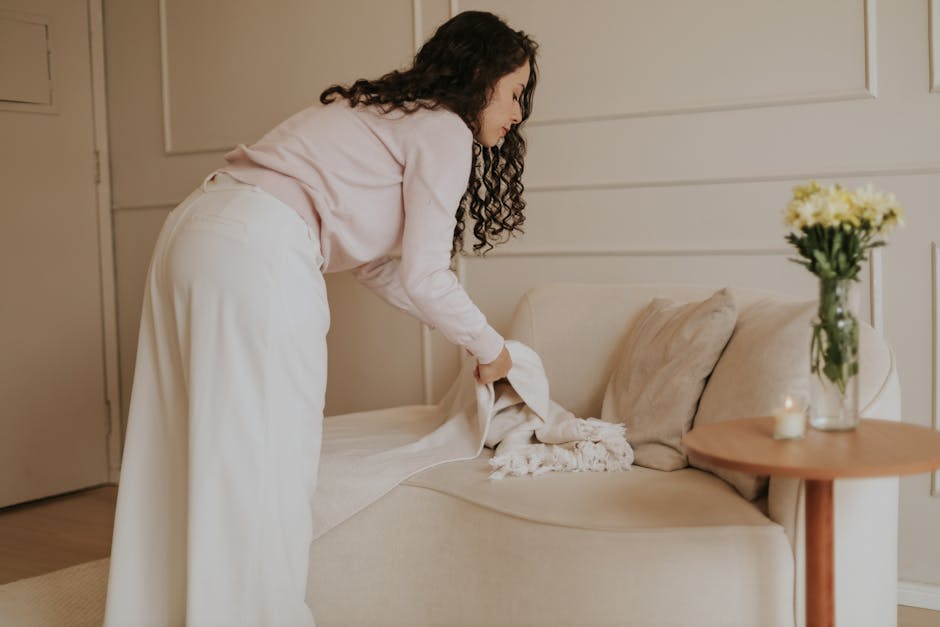
Upholstery cleaning tips for Flask Walk NW3 flats insider tips

If you live in a Flask Walk NW3 flat, you already know the pattern: a narrow hallway, a small living room that does double duty, maybe a sofa squeezed near a sash window, and not much room for mess while you clean. That is exactly why upholstery cleaning tips for Flask Walk NW3 flats insider tips matter. In compact London homes, fabric sofas, dining chairs, ottomans, and bed ends pick up everyday grime quickly, and the wrong cleaning method can leave water marks, flattened pile, or a smell that lingers long after the room looks "done".
This guide is built for real flats, real fabrics, and real life. You will find practical steps, mistakes to avoid, simple checks before you start, and the little bits of know-how that make cleaning feel less risky. A lot of people focus on the stain they can see. Fair enough. But the better result usually comes from understanding the fabric, controlling moisture, and working with the room rather than fighting it.
And yes, the good news is that you do not need a huge space or a professional van parked outside to keep upholstery looking decent. You just need the right approach.
Why Upholstery cleaning tips for Flask Walk NW3 flats insider tips Matters
Upholstery in flats faces a slightly different kind of wear than in larger homes. Space is tighter, airflow can be patchier, and furniture often sits closer together. That means spills, pet hair, dust, and food crumbs tend to settle in quickly, then stick around. If you have ever noticed a faint stale smell in a sofa after a damp week, you will know what I mean. It is not dramatic, just annoying. And annoying becomes expensive if the fabric starts looking tired earlier than it should.
In NW3, many flats combine older building features with modern living patterns. You might have harder-to-ventilate rooms, layered textiles, or shared stair access that makes moving bulky furniture difficult. Those details change how upholstery should be cleaned. A method that works in a spacious house can be a poor fit in a compact flat, especially if it leaves too much moisture behind.
There is also the simple matter of presentation. If you rent, clean upholstery can help a flat feel well cared for. If you own, it helps preserve the furniture you already paid for. That is the core value here: less wear, better hygiene, longer life, fewer little disasters.
Expert summary: in a Flask Walk NW3 flat, good upholstery cleaning is less about brute force and more about control-control of moisture, fabric type, drying time, and the order in which you tackle the room.
How Upholstery cleaning tips for Flask Walk NW3 flats insider tips Works
Upholstery cleaning works by loosening soil, lifting it out of the fibres, and drying the fabric without leaving residue or damage. That sounds simple. In practice, the result depends on the material, the age of the stain, and the cleaning method you choose.
Most upholstery falls into one of a few broad fabric groups: natural fibres like cotton or linen blends, synthetics like polyester, mixed fabrics, and delicate materials such as velvet or wool-rich weaves. Each reacts differently to water, heat, agitation, and cleaning solution. Some fabrics tolerate light steam or moisture. Others do not. That is why a label check matters before you start spraying anything. A quick test on a hidden patch can save a lot of grief.
In flat living, the cleaning process also needs to account for limited drying space. You cannot always leave a sofa outside or open every window wide because of weather, neighbours, noise, or security. So the best method usually prioritises low-moisture work, spot treatment, and controlled drying with good air movement.
When the cleaning is done properly, the fabric should feel fresh, not wet; clean, not stiff; and dry enough to use without that slightly damp, closed-in smell that everyone hates. Let's face it, no one wants to sit on a sofa that smells like it has been through a drizzle.
Key Benefits and Practical Advantages
Good upholstery care brings more than a cleaner look. It supports the whole flat.
- Better indoor freshness: fabric holds odours from food, pets, smoke, and daily living. Cleaning reduces that trapped smell.
- Longer furniture life: grit and dried residue can wear fibres down over time, especially on seat arms and headrests.
- Improved appearance: regular cleaning helps remove traffic marks, dull patches, and minor staining before they become permanent.
- More comfortable living: a cleaner sofa or chair simply feels better to use every day.
- Better results from routine housekeeping: dusting and vacuuming work more effectively when upholstery is not holding built-up debris.
- Useful for move-out or hosting: if you are preparing for guests, inspections, or the end of a tenancy, upholstery often becomes one of those last details people notice.
There is a practical side too: when upholstery is maintained regularly, spot cleaning becomes easier. You are less likely to need emergency stain removal after one unfortunate curry spill or a knocked-over coffee during a late evening. Been there, cleaned that, regretted the coffee choice a bit.
Who This Is For and When It Makes Sense
This advice is especially useful if you live in a smaller London flat and your furniture works hard every day. That could mean a family with young children, a couple with pets, a professional working from home, or a tenant trying to keep the place presentable without overdoing it.
It also makes sense if your upholstery shows any of these signs:
- grey or dark seat marks on arms and cushions
- dust that comes back quickly after vacuuming
- small spills from tea, wine, juice, or sauces
- pet hair or lingering pet odour
- a musty feel after wet weather or poor ventilation
- flattened fabric in high-use areas
If your sofa is antique, delicate, or made from an unknown fabric, tread carefully. The safest path may be gentler maintenance or a professional clean. If you are not sure what the fabric can handle, that uncertainty is a signal, not a failure. Better to pause than to chase a stain into a permanent shadow.
Step-by-Step Guidance
Here is a sensible, flat-friendly cleaning process that works well for everyday upholstery care. It is designed to reduce risk and keep drying manageable.
- Identify the fabric first. Check the manufacturer's care label if it is still available. If the label is missing, test cautiously in a hidden spot.
- Clear the area. Move cushions, throws, and loose items. In a compact flat, you want enough room to work without knocking lamps, side tables, or a plant you keep meaning to repot.
- Vacuum thoroughly. Use an upholstery attachment and work slowly across seams, creases, armrests, and under cushions. Dust and crumbs can sabotage any wet cleaning step.
- Pre-treat visible spots. Blot, do not rub. Use a suitable upholstery cleaner or a mild solution that matches the fabric type. Too much product can leave residue.
- Work in sections. Tackle one cushion, arm, or panel at a time. In flats, this keeps drying manageable and prevents over-wetting the whole sofa.
- Use minimal moisture. Spray lightly or apply foam sparingly. The goal is to clean the fibres, not soak them.
- Gently agitate where needed. A soft cloth or clean brush can help lift dirt, but keep the motion light. Aggressive scrubbing can rough up the fabric.
- Extract or blot. If using a machine, extract as instructed. If not, blot with a clean dry towel to draw out moisture and soil.
- Speed up drying. Open windows if safe, use steady airflow, and avoid sitting on the furniture until it is properly dry.
- Finish by restoring the pile. On some fabrics, a soft brush can help the nap stand back up once dry.
One small but useful habit: keep a second dry cloth nearby before you start. It sounds obvious, but when a stain starts lifting, you want to switch quickly and stop the damp area from spreading. Little thing, big difference.
Expert Tips for Better Results
These are the insider-style details that separate an okay result from a genuinely good one.
1. Always test before committing
Even if a cleaner says it is safe on most fabrics, do a hidden test. Under a cushion flap or back corner is ideal. Wait for it to dry, because some damage only shows after the moisture evaporates. Colour shift, rings, or a slightly rough patch can show up later, which is annoying but avoidable.
2. Treat airflow as part of the cleaning process
In a NW3 flat, drying is not a side issue; it is half the job. Use open windows when weather allows, create cross-ventilation, and avoid closing the room up straight after cleaning. If you have a dehumidifier, it can be useful for a few hours. Not glamorous, but very effective.
3. Work from cleanest to dirtiest areas
Start with the back and sides, then move to seat cushions and high-contact zones. That way you are not dragging loosened dirt into cleaner areas. It is a small workflow tweak, but it helps a lot on pale fabrics.
4. Do not oversoak stain patches
Over-wetting is one of the quickest ways to create water rings, prolonged drying, or wicking, which is when dissolved dirt rises back to the surface as the fabric dries. That brownish halo people sometimes blame on the cleaner? Often it is moisture management, not the product itself.
5. Rotate cushions if possible
Flipping and rotating cushions evens out wear and gives you a chance to vacuum hidden grit. It sounds basic because it is basic. Basic is good. Basic works.
6. Keep a small "spot kit" ready
A microfibre cloth, a gentle upholstery cleaner, a soft brush, and a clean dry towel are enough for most little mishaps. If you live in a flat, a fast response matters because stains can set before you have time to do a full clean.
One more thing: if a smell persists after cleaning, do not just keep adding fragrance spray. Find the source. Masking an odour is a bit like opening the window in January and pretending that solves everything.
Common Mistakes to Avoid
Most upholstery damage comes from a handful of repeated mistakes. Avoid these and you are already ahead.
- Rubbing stains hard: this pushes dirt deeper and can rough the fabric surface.
- Using too much water: it increases drying time and the chance of rings or mildew smells.
- Skipping the vacuum stage: loose grit turns into mud once moisture is added.
- Using the wrong product on the wrong fabric: delicate materials and heavy-duty cleaners are a poor match.
- Cleaning only the visible stain: spot-only cleaning can leave a surrounding patch that looks cleaner or darker than the rest.
- Ignoring drying conditions: cold, still air in a flat can make even a small clean feel endless.
- Cleaning in a rush before guests arrive: if you have a deadline, plan for faster-drying methods or do the job earlier.
There is also the cosmetic mistake of expecting every mark to disappear completely. Some old stains, sun fade, and wear patterns are permanent. Honest expectation is part of getting good results. The aim is usually better, fresher, safer-not magic.
Tools, Resources and Recommendations
You do not need a massive kit. In most flats, the useful tools are the straightforward ones.
| Tool / Item | Best Use | Why It Helps in a Flat |
|---|---|---|
| Upholstery vacuum attachment | Regular dust and crumb removal | Handles seams, corners, and tight spaces well |
| Microfibre cloths | Blotting and light cleaning | Low lint, easy to rinse, quick to dry |
| Soft upholstery brush | Gentle agitation and pile restoration | Useful on textured or woven fabrics |
| Dry towels | Moisture control | Important where drying space is limited |
| Gentle upholstery cleaner | Spot treatment and routine cleaning | Designed to clean fabric without heavy residue |
| Dehumidifier or fan | Faster drying | Helps in flats with less natural airflow |
If the whole sofa needs a deep refresh, a professional upholstery clean can be the more sensible option, especially for velvet, silk blends, wool-rich fabrics, or older furniture. If you are already looking at wider home maintenance, it can also make sense to pair upholstery care with sofa cleaning, mattress cleaning, or a broader deep cleaning visit so the flat feels refreshed as a whole.
For homes with pets or frequent spill risks, targeted pet stain and odour removal and stain removal services can be especially helpful when a DIY fix is not enough.
Law, Compliance, Standards, or Best Practice
For domestic upholstery cleaning, the main practical concern is safe, sensible cleaning rather than heavy regulation. That said, good practice still matters. If you are cleaning your own furniture, follow product instructions carefully, keep rooms ventilated, and avoid mixing chemical products. That last part sounds obvious, but accidents happen when people are trying to save ten minutes.
If you are using a professional cleaner in a flat, it is reasonable to expect them to work safely around your home, explain the method they will use, and take care with electrical equipment, moisture, and access routes. In shared buildings, the sensible norm is also to protect hallways and communal spaces from drips, noise, or blocked access. If furniture has to be moved, that should be agreed in advance.
Best practice also includes honesty about fabric limitations. A careful cleaner should tell you when a material is unsuitable for a wet process, when colour transfer is possible, or when age and wear may limit the final result. That kind of caution is not a downside. It is what you want.
For company-side reassurance, pages such as health and safety policy, insurance and safety, and terms and conditions are worth reviewing before booking any service. If you want to understand how quotes are handled, pricing and quotes is also a useful place to start.
Options, Methods, or Comparison Table
Different upholstery cleaning approaches suit different fabrics and levels of soiling. Here is a simple comparison to help you choose.
| Method | Best For | Pros | Watch Out For |
|---|---|---|---|
| Vacuuming and light spot cleaning | Routine maintenance and small marks | Quick, low-risk, cheap, ideal for flats | Won't remove deep soil or old stains |
| Foam or low-moisture cleaning | Everyday fabric sofas and chairs | Less drying time, less water exposure | Needs correct product choice and careful application |
| Hot water extraction | Heavily used upholstery that can tolerate more moisture | Can lift embedded dirt well | Drying time can be longer; not suitable for every fabric |
| Professional specialised cleaning | Delicate, expensive, antique, or badly stained pieces | Better assessment, stronger results, less guesswork | Usually costs more than a DIY clean |
In a small flat, low-moisture methods often make the most sense because they reduce disruption. If a sofa is very large relative to the room, or if moving it is awkward, that alone can justify bringing in someone with the right kit. No drama, just practicality.
Case Study or Real-World Example
A common Flask Walk scenario goes like this: one compact living room, a two-seat fabric sofa, a dining chair that gets used as an office chair, and a pet that likes the best seat in the house. After a few months, the sofa arms look dull, the seat cushions smell slightly stale, and there is a faint coffee mark near one seam.
The fix was not to drench the sofa. It started with a thorough vacuum, then a gentle spot test on the coffee mark, then light cleaning in sections with extra attention to the arms and seat fronts. A dry towel was pressed in after each pass, and a small fan helped circulate air for most of the afternoon. The fabric looked fresher by the evening, but more importantly, it dried evenly. No rings. No weird crunchiness. Just a cleaner sofa that still felt like furniture, not a chemistry experiment.
That is the pattern to aim for. Small, careful steps. Clean the whole contact area, not just the visible spot. And if something seems uncertain halfway through, stop and reassess. That pause is often what saves the job.
Practical Checklist
Use this quick checklist before you start cleaning upholstery in your NW3 flat:
- Check the care label or fabric type
- Test any product on a hidden spot
- Vacuum all seams, edges, and cushion gaps
- Remove loose cushions and throws
- Keep clean dry towels ready
- Work in small sections
- Use as little moisture as possible
- Blot rather than rub
- Allow enough drying time
- Improve ventilation with windows or a fan where safe
- Rotate cushions if the furniture allows it
- Stop and call in help if the fabric is delicate or the stain is stubborn
Quick reminder: the best upholstery care in a flat is usually the one that leaves the room clean and usable by the end of the day.
Get a free quote today and see how much you can save.
Conclusion
Good upholstery cleaning in a Flask Walk NW3 flat is really about balance: enough cleaning to lift dirt and odours, not so much moisture that you create new problems. Once you understand the fabric, work in sections, and respect drying time, the whole job becomes much easier. You do not need fancy language or a huge amount of kit. You need a calm process, a careful eye, and a little patience.
In a busy London flat, that sort of routine pays off quickly. Sofas last longer, rooms feel fresher, and the place simply feels more cared for. Small effort. Big difference. And that is usually the sweet spot, isn't it?
When in doubt, go gently, check twice, and give the fabric a bit of breathing room. It's a simple habit, but it keeps paying you back.
Frequently Asked Questions
How often should I clean upholstery in a Flask Walk NW3 flat?
For most homes, light vacuuming every week or two is a good baseline, with spot cleaning as needed. A deeper clean depends on how much the furniture is used, whether you have pets or children, and how quickly dust builds up in the flat.
Can I use the same cleaner on every fabric?
No. That is one of the easiest ways to damage upholstery. Some fabrics tolerate moisture and mild cleaning well, while others need dry or specialist treatment. Always check the care label and test in a hidden area first.
What is the safest way to remove a fresh stain from a sofa?
Blot it gently with a clean dry cloth first, then use a suitable fabric-safe cleaner if needed. Avoid rubbing, because rubbing can spread the stain and push it deeper into the fibres.
Why does my sofa smell worse after cleaning?
That can happen if too much water was used or if the fabric dried too slowly. The smell is often trapped moisture rather than a cleaning failure. Improve airflow, use a fan if appropriate, and avoid sitting on the furniture until it is fully dry.
Is steam cleaning always a good idea for upholstery?
Not always. Steam or hot water extraction can be effective on some fabrics, but delicate materials may react badly to heat or moisture. A fabric test and the manufacturer's care guidance should come first.
How do I know when it is better to hire a professional?
If the upholstery is expensive, delicate, badly stained, odorous, or hard to dry in your flat, a professional is often the safer choice. It is also sensible when you do not know the fabric type or the furniture is too bulky to handle easily.
Can upholstery cleaning help with pet odours?
Yes, but only if the source of the odour is treated properly. Surface cleaning may help, but deeper pet smells often need targeted treatment. If the issue is persistent, look at a specialist approach rather than masking the smell.
Will upholstery cleaning remove all stains?
Not always. Fresh spills are usually easier to treat than old, set-in marks. Some stains, fading, or wear patterns may be permanent. A good result is often about improvement rather than perfection.
How long should upholstery take to dry in a flat?
Drying time depends on the fabric, amount of moisture used, room temperature, and airflow. In a flat with limited ventilation, it can take longer than people expect. Using less moisture and better airflow makes a noticeable difference.
Can I clean upholstery during winter in a London flat?
Yes, but drying becomes more important. Cold air and closed windows can slow the process, so a low-moisture method and controlled ventilation are especially useful. A dehumidifier can help if you already have one.
What should I do before a move-out inspection or tenancy end?
Focus on visible wear areas like seat fronts, arms, and cushions, and make sure everything is fully dry well before the inspection. If the furniture is part of the inventory or the property includes upholstered items, a deeper clean may be worthwhile.
Are there any UK best practices I should care about?
The main best practices are safe product use, proper ventilation, careful handling of electrical equipment, and honesty about fabric suitability. For professional help, it is sensible to check insurance, health and safety information, and service terms before booking.