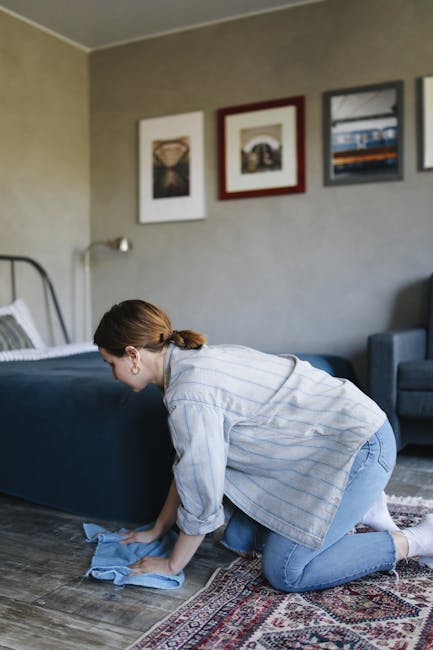
Common problems after carpet cleaning in Hampstead flats

If you live in a Hampstead flat, carpet cleaning can feel like one of those jobs that should be simple and then somehow isn't. A carpet looks fresh for an hour, the hallway smells a bit damp, and then a stubborn mark seems to reappear by the radiator. Sound familiar? Common problems after carpet cleaning in Hampstead flats usually come down to moisture, airflow, carpet type, access, or rushed drying rather than "bad cleaning" alone.
This guide breaks down the issues people actually run into after a clean, why they happen in flats specifically, and what to do next. You'll get practical fixes, a simple step-by-step recovery plan, and a realistic idea of when a problem is normal and when it needs follow-up. If you are comparing services too, it helps to understand what a proper clean should involve; the main carpet cleaning service page is a useful place to start.
Why Common problems after carpet cleaning in Hampstead flats Matters
Flat living changes the whole picture. In a Hampstead house, you might have more ventilation, easier access, and fewer shared-space headaches. In a flat, you often have narrower stairwells, limited window openings, neighbours below you, and less tolerance for lingering moisture or noisy equipment. That matters because even a well-done clean can create short-term issues if the setup is awkward.
Let's face it: when a carpet in a flat stays wet too long, the whole room can feel off. You may notice a slightly sour smell, cool damp underfoot, or that annoying "why is this stain back again?" moment the next morning. It's not always a sign of poor workmanship. Sometimes it's simply physics doing its thing.
For landlords, tenants, and homeowners alike, understanding these common issues matters because it helps you decide whether to wait, ventilate, blot, or call back. And in end-of-tenancy situations, that can mean the difference between a smooth handover and a stressful last-minute scramble.
How Common problems after carpet cleaning in Hampstead flats Works
Most carpet cleaning in flats uses hot water extraction, low-moisture methods, or a steam-style process. Each method lifts dirt from carpet fibres, but each also brings risk if the carpet is over-wet, under-rinsed, or not dried properly. The problem is often not the cleaning itself; it's the aftercare and the room conditions.
Here's the basic sequence. Cleaning solution loosens dirt, agitation helps lift it, and extraction removes the soil and moisture. In an ideal world, the carpet dries evenly, the pile resets, and the room smells neutral. In a real Hampstead flat, however, you might have older insulation, less airflow, or thick underlay that holds water longer than expected. That's when issues start showing up.
Some problems also appear because dirt was not fully removed from deep in the pile. As the carpet dries, residues can wick back to the surface. It's a bit frustrating, honestly, because the room can look clean at first and then develop faint yellow or brown marks later. That is classic wick-back.
Other times, the carpet has been cleaned correctly but the flat environment works against drying. A north-facing room, rainy weather, closed windows, and no fan can make even a decent clean feel slow. Hampstead weather does not exactly rush to help, does it?
Key Benefits and Practical Advantages
Knowing the common post-cleaning problems gives you a clearer head and a better result. It helps you tell the difference between a temporary drying issue and a genuine fault. That saves time, money, and unnecessary worry.
It also helps you communicate properly with the cleaner. If you can say, "There's a sour smell near the bay window and the pile feels cool after 24 hours," that is more useful than "it looks funny." Specific feedback gets specific action.
There are practical advantages too:
- You can ventilate and dry the room faster.
- You can prevent stains from reappearing.
- You can reduce odour problems in enclosed flats.
- You can avoid damaging delicate fibres with over-cleaning.
- You can plan around tenancy inspections or guests.
If your flat is part of a larger move, a broader deep cleaning approach may help make sure carpets, skirting, and nearby surfaces are all handled together rather than one after another in a rush.
Who This Is For and When It Makes Sense
This guide is for anyone who has just had carpets cleaned in a Hampstead flat and is now wondering whether what they are seeing is normal. That includes tenants at the end of a tenancy, landlords checking ready-to-let condition, homeowners, Airbnb hosts, and even building managers overseeing communal living spaces.
It makes sense when you notice one of the following after a clean:
- the carpet still feels damp after several hours
- a stain has faded but not disappeared
- the room smells musty or slightly chemical
- traffic lanes look darker than the rest
- the pile looks flattened or patchy
It is also relevant if your flat has pets, high foot traffic, old wool carpets, or areas with historic staining. Those details matter more than most people think. A small one-off spill in a quiet room is a different beast from a staircase landing that gets used fifty times a day.
For rental move-outs, pairing carpet care with end of tenancy cleaning often makes the whole process easier because carpet drying and final inspection can be planned together.
Step-by-Step Guidance
If you are dealing with a problem after cleaning, do this in order. Simple stuff first. No need to panic and start scrubbing like you're attacking a muddy football pitch.
- Check whether the carpet is still drying. Light dampness is common for several hours, sometimes longer in flats with poor airflow.
- Open windows where practical. Even a small window gap can help. If noise or security is a concern, use controlled ventilation rather than leaving everything wide open.
- Use a fan if available. Point it across the room, not directly into the carpet from inches away.
- Blot, don't rub. If a mark is surfacing, press a clean white cloth onto it. Rubbing can distort the pile.
- Inspect for residue. Sticky-feeling fibres can indicate detergent left behind.
- Look for wick-back over the next day. Stains that return after drying often come from deeper layers.
- Contact the cleaner with clear details. Mention location, smell, texture, and drying time.
If the problem involves a pet accident that has resurfaced after cleaning, specialised treatment may be needed. In that case, pet stain odour removal is often more appropriate than a general clean, especially where urine has soaked into the backing or underlay.
One small but useful note: take a photo in daylight. Indoor lighting can hide a lot and make one patch look far worse than it is. Truth be told, a photo saved on your phone can settle a disagreement quickly.
Expert Tips for Better Results
A good result after carpet cleaning in a flat is often about the first few hours afterwards. Those hours matter more than people realise.
- Keep air moving. Stagnant air is the enemy of drying.
- Avoid walking on damp pile where you can. If you must, use clean socks or indoor slippers.
- Lift curtains or blinds if they block airflow. This helps around windows and corners.
- Do not place furniture back too soon. Heavy items can leave pressure marks or slow the drying.
- Ask what method was used. Steam extraction, low-moisture cleaning, and encapsulation behave differently after the job.
- Test hidden areas on older carpets. Fading, colour bleed, and fibre distortion are more likely on aged material.
If your flat has upholstered furniture close to the cleaned carpet, it can also trap humidity in the room. In those cases, a careful upholstery cleaning plan may help keep the whole space fresher without adding more moisture than necessary.
And yes, sometimes the simplest answer is just "leave the window open another hour." Not glamorous, but it works more often than people expect.
Common Mistakes to Avoid
Most post-cleaning problems get worse when someone tries to fix them too quickly. The temptation is understandable. Nobody likes to look at a patchy carpet all evening. But a few common mistakes can make the issue linger.
- Rubbing stains aggressively. This pushes residue deeper and can rough up the pile.
- Using too much detergent. More product is not better. It can leave a sticky film that attracts dirt.
- Closing the room up straight after cleaning. Poor airflow slows drying and may increase odour.
- Putting rugs back too soon. Rugs can trap moisture and create uneven drying marks.
- Ignoring recurring stains. If a mark keeps returning, the source is probably below the visible surface.
- Assuming every discolouration is permanent. Sometimes it is just moisture migration or residue, and it can settle with time.
Another one: using heat too aggressively. A hairdryer on one spot can distort fibres or create a clean-looking circle around a still-dirty area. Slightly absurd, but it happens.
Tools, Resources and Recommendations
You do not need a van full of equipment to manage most after-cleaning issues in a flat. A few sensible tools go a long way.
| Tool or item | What it helps with | Practical note |
|---|---|---|
| Clean white microfibre cloths | Blotting moisture and residue | Best for spotting colour transfer or hidden soil |
| Fan | Speeding up drying | Angle across the room for better air movement |
| Window ventilation | Reducing lingering damp smell | Open safely and only as much as the flat allows |
| Soft brush | Resetting flattened pile | Use gently, especially on wool or loop pile carpets |
| Dry towels | Absorbing local wet spots | Helpful under furniture edges or doorway traffic areas |
For flats that need a broader reset rather than a one-room touch-up, one-off cleaning can be a sensible fit when you want a concentrated visit rather than an ongoing schedule. If the carpet issue is part of a larger refresh before moving in, move in cleaning can be paired with carpet attention so the place feels ready, not half-finished.
If you're comparing service styles, the choice often comes down to fibre type, drying tolerance, and how busy the flat is. That matters more than headline promises.
Law, Compliance, Standards, or Best Practice
For most households, the main concern is not formal regulation but safe and sensible practice. In the UK, cleaners and property occupiers still need to think about health and safety, proper product use, and reasonable care around electrical equipment, wet floors, and shared access areas.
In flats, that practical side matters a lot. Wet carpets in tight hallways can create slip risk. Shared entrances and communal landings can also complicate equipment movement, especially in larger mansion blocks or converted properties. A responsible cleaner should plan access carefully, protect surrounding surfaces, and avoid blocking exits.
It is also best practice to check product suitability on delicate fibres, especially wool or blended carpets. Overly alkaline solutions, strong agitation, or excessive heat can cause issues that only show up after drying. Not ideal, obviously.
From a customer point of view, the most useful "standard" is straightforward: the carpet should be visibly cleaner, reasonably dry within an appropriate time for the method used, and free from obvious residue or fresh damage. If something seems off, raise it promptly and keep a record of what you noticed.
If you want to understand how a provider approaches care and risk, the site's health and safety policy and insurance and safety information are worth reading. For booking confidence, the terms and conditions and pricing and quotes pages can also help set expectations clearly.
Options, Methods, or Comparison Table
Different cleaning methods behave differently after the job. That is one reason why two flats can have very different experiences even when both were "professionally cleaned."
| Method | Best for | Common post-cleaning issue | Drying expectation |
|---|---|---|---|
| Hot water extraction | Deep soil removal, general domestic carpets | Over-wetting, wick-back, longer drying | Usually longer than low-moisture options |
| Low-moisture cleaning | Busy flats, faster turnaround | Residual surface dirt if agitation is poor | Quicker drying, usually less disruption |
| Spot or stain treatment | Targeted marks and spills | Ring marks if not blended correctly | Usually fairly quick |
| Steam-style cleaning | Heavily soiled carpets, deep refresh | Moisture retention in underlay or corners | Can vary widely by carpet and airflow |
The right method depends on the carpet, not just the postcode. A thick hallway runner in a converted flat might need a different approach from a fitted bedroom carpet in a modern block. If you are also dealing with rugs, it can help to separate concerns and use a dedicated rug cleaning service rather than treating everything the same way.
Case Study or Real-World Example
A typical example comes from a two-bedroom Hampstead flat with a wool-blend carpet in the living room. The cleaner did a solid job on the main soil, but by the next afternoon a faded tea stain had reappeared near the sofa leg. The client thought the carpet had "come back dirty," which is a fair reaction, but the real issue was wick-back from a spill that had soaked further down into the fibres and backing years earlier.
What fixed it wasn't a full re-clean straight away. It was a targeted stain treatment, improved drying with airflow, and a little patience. The cleaner also explained that the room stayed closed overnight, which slowed evaporation. Once the windows were opened properly and the pile was brushed gently, the patch settled much better.
Another flat had a different problem: a musty smell after cleaning in a north-facing room with very little cross-ventilation. No visible stain, no obvious residue, just that damp note in the air. A fan and a few hours of controlled airflow solved most of it. Not everything needs a dramatic fix. Sometimes the room just needs to breathe.
Practical Checklist
Use this quick checklist after carpet cleaning in a flat:
- Check whether the carpet feels evenly damp or just patchy.
- Open windows or use a fan where safe and practical.
- Look for raised fibres, flattening, or sticky residue.
- Inspect known stain areas in daylight.
- Wait and monitor for wick-back over 24 to 48 hours.
- Keep furniture off the carpet until it is properly dry.
- Blot any new moisture, do not rub.
- Take photos if you need to report a problem.
- Ask the cleaner what method and products were used.
- Follow up promptly if the issue is not improving.
If the carpet cleaning is part of a bigger flat refresh, you may also want nearby surfaces checked at the same time. A broader house cleaning or domestic cleaning visit can keep the whole place consistent rather than cleaning one thing in isolation.
Get a free quote today and see how much you can save.
Conclusion
Common problems after carpet cleaning in Hampstead flats are usually not mysterious. They tend to come from drying, fibre type, hidden residue, or the realities of flat living: limited airflow, shared access, and compact rooms that hold moisture longer than expected. Once you know what you are looking at, the whole situation becomes easier to manage.
The main thing is not to rush to the wrong fix. Give the carpet time, watch for pattern changes, and respond to the specific symptom instead of treating every issue the same way. That's the difference between a quick recovery and a lingering annoyance.
If the clean was part of a bigger property reset, it can help to plan the rest of the job carefully, whether that means a full refresh or targeted stain treatment. A tidy flat always feels better when the carpet settles properly underfoot. Small win, but a real one.
Frequently Asked Questions
Why does my carpet smell after cleaning?
A slightly damp or musty smell is often caused by slow drying, residue, or moisture trapped in the underlay. In flats, poor airflow makes this more noticeable. It should improve as the carpet dries.
How long should a carpet take to dry in a Hampstead flat?
Drying time varies by method, carpet thickness, weather, and airflow. A low-moisture clean dries faster, while extraction methods can take longer, especially in rooms with limited ventilation.
Why have old stains come back after the carpet was cleaned?
That is usually wick-back. Moisture draws deeper soil or stain residue back to the surface as the carpet dries. It often needs targeted treatment, not just another general clean.
Is it normal for carpet cleaning to leave marks?
Light pile shading or temporary texture changes can happen, especially on textured carpets. However, sticky residue, dark patches, or recurring rings are not ideal and should be checked.
What should I do if the carpet is still wet the next day?
Improve airflow, use a fan if you have one, avoid covering the carpet, and keep furniture off it. If it still feels overly wet after a long period, contact the cleaner for advice.
Can carpet cleaning damage wool carpets in flats?
It can if the wrong product, method, or heat level is used. Wool is more sensitive than synthetic fibres, so gentle, suitable treatment matters. A careful pre-test is sensible.
Why does the carpet look dirtier in some light after cleaning?
Drying can reveal shading, pile direction, or pre-existing wear patterns. In daylight, these changes are easier to see. It does not always mean the carpet is still dirty.
Should I move furniture back straight after carpet cleaning?
No, not usually. Heavy furniture can dent damp fibres and slow drying underneath. It is better to wait until the carpet is properly dry.
What is the difference between residue and re-soiling?
Residue is leftover cleaning product that makes fibres feel sticky or attract dirt. Re-soiling is when dirt returns because the carpet was not fully rinsed or dried. They can look similar at first, which is annoying, yes.
When should I complain about a carpet cleaning problem?
If the carpet shows clear residue, lingering wetness, recurring stains, or visible damage after a reasonable drying period, raise it promptly with photos and details. Clear information usually gets the quickest response.
Do flats need different carpet care than houses?
Yes, often they do. Limited ventilation, shared access, compact rooms, and neighbours below can all affect drying and cleanup. Flat-specific planning makes a noticeable difference.
What if the smell or stain is still there after 48 hours?
At that point, it is worth asking for a follow-up inspection. The issue may need targeted stain removal, odour treatment, or a second-pass solution rather than waiting it out.